Client
An own curated project [Oecumene Spaces For Dignity], supported by the French Institute Alexandria Egypt.
Services
- Curatorial concept
- Editorial narrative
- Exhibition design
- Public programming
- Workshops & non-conference facilitation
Year
2017
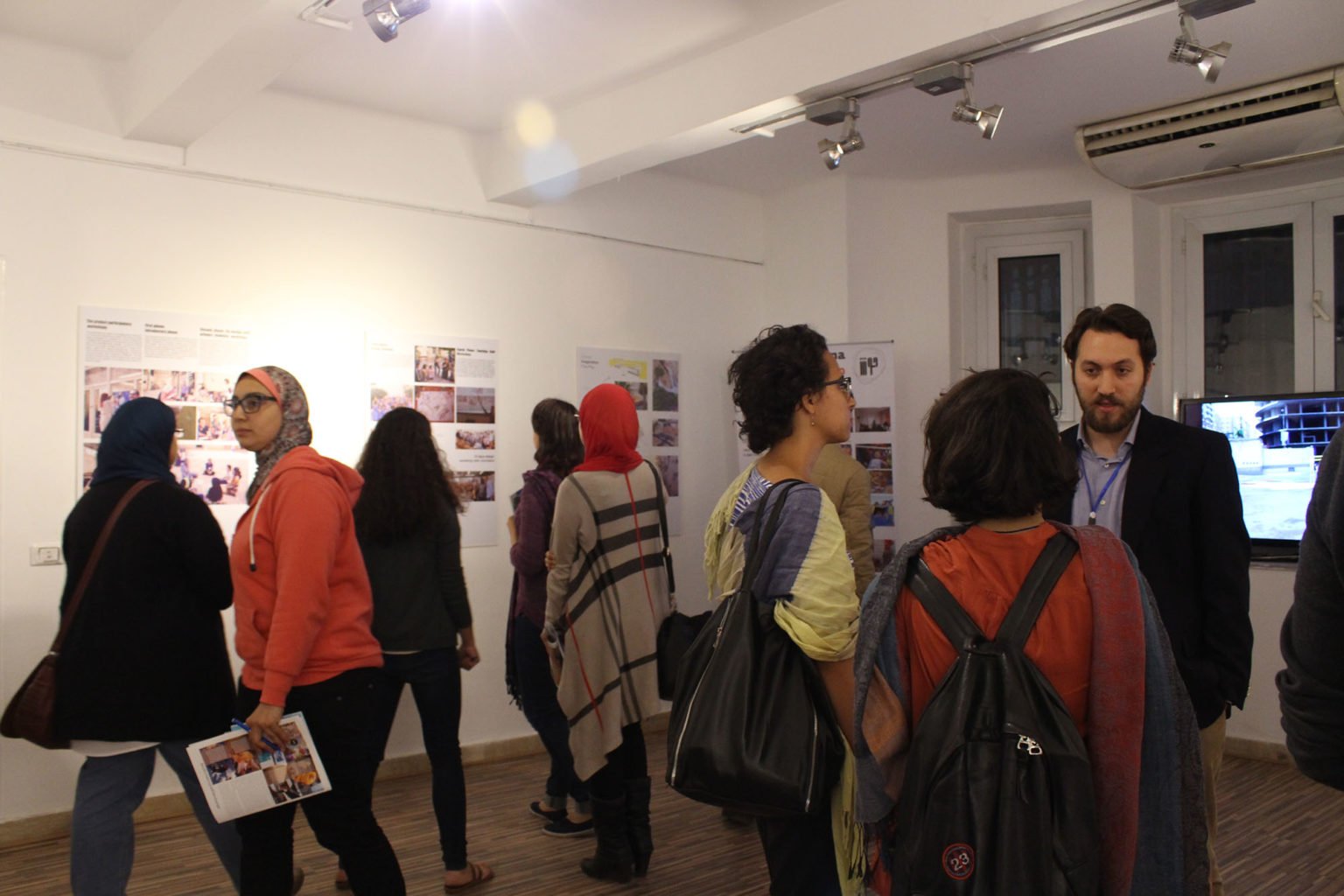
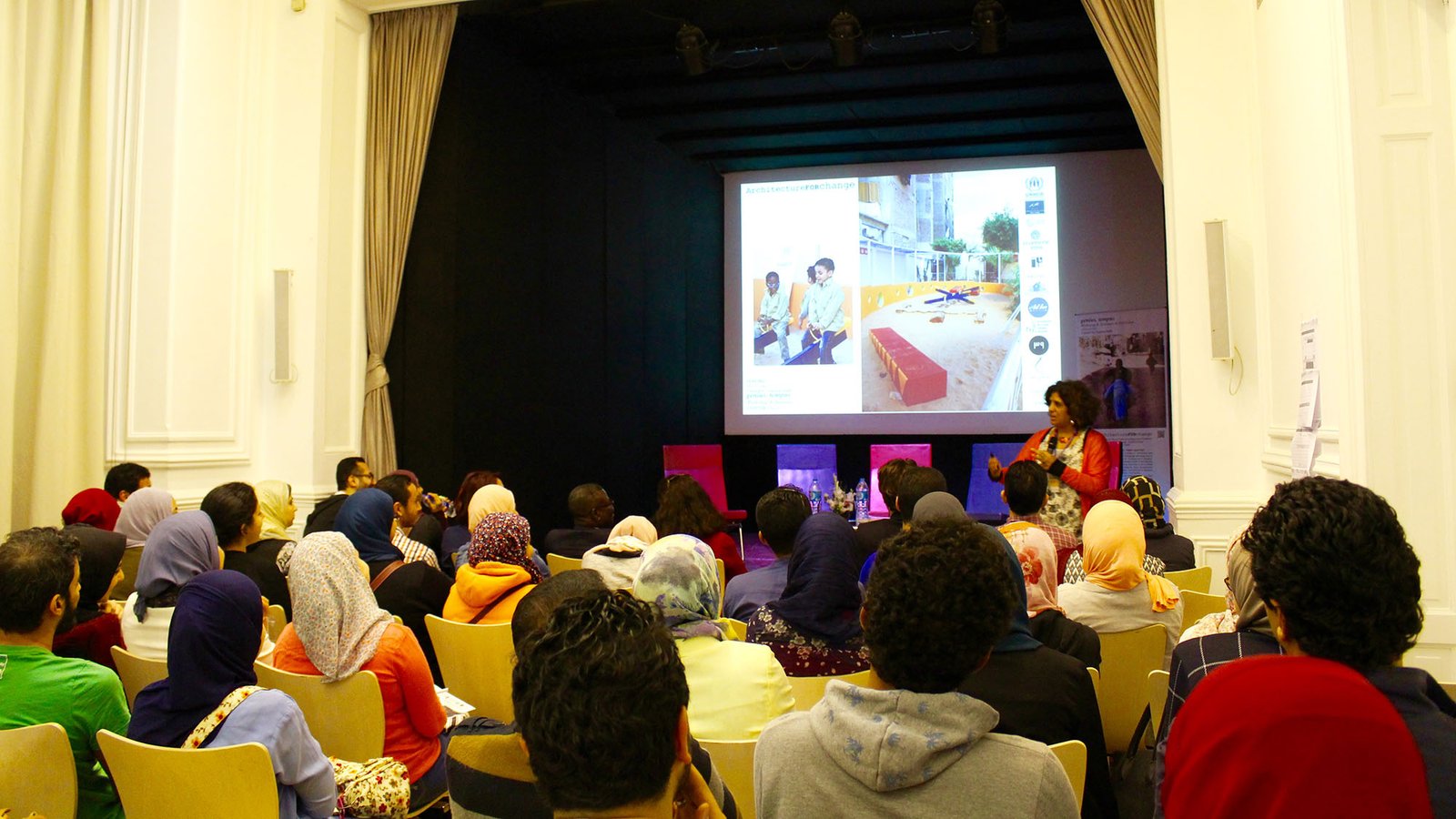
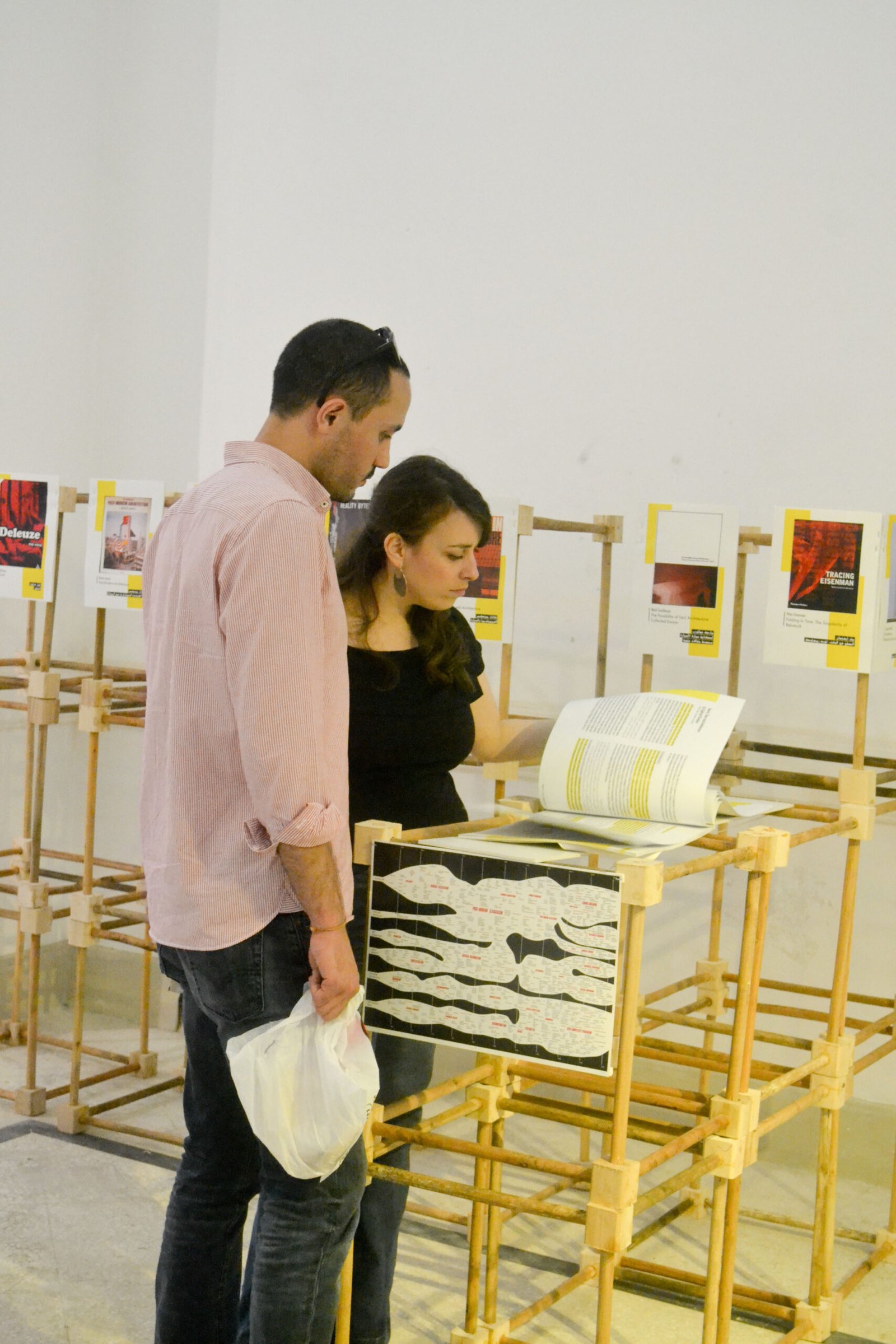
Genius Tempus Architecture for Change was a multi-layered exhibition, event series, and participatory workshop held in Alexandria, Egypt. Rooted in the notion of place spirit, the project explored how architecture can move beyond form-making to become a social, cultural, and political praxis; one grounded in lived experience, memory, and collective imagination.
Rather than presenting architecture as finished objects, the initiative positioned it as an open conversation. Through exhibitions, talks, workshops, and a non-conference format, participants were invited to reflect, debate and exchange knowledge in an open format.
The program brought together architects, urban practitioners, artists, students, activists, and local residents to collectively question dominant narratives of development and to propose alternative ways of producing space — based on care, inclusion, and spatial justice.
Genius Tempus go beyond space as subject / object of architecture to position time in its core. Architecture For Change initiative function not as temporary events, but as a living platform: a space for encounter, experimentation, and shared authorship, where knowledge was produced horizontally and the city itself became both subject and contributor.