Too often, meaningful encounters, collaborations, and in-situ practices fade away because they are never properly documented or shared. Too often, the living knowledge born from inclusion, community work, and artistic creation remains invisible and absent in libraries, bookshops, and institutions. The Publishing Power of Place seeks to fill that gap: to make visible the genius of co-produced realities, and to write them into our shared memory.
The Published Power of Place is a multilingual co-production publishing house dedicated to put into stories the many initiatives and actions with communities that develop collectively the place they inhabit, whether a neighbourhood, a street, a cultural hub, a school, a park, a whole city or a lived territory. We turn our own and others’ fieldwork into shared works.
Our ambition is to reveal what has been done, to amplify the voices and ideas, and to celebrate the power of place as a catalyst to develop untapped potential. In doing so, we build an accessible living archive for regenerative practices and futures.
A new team.
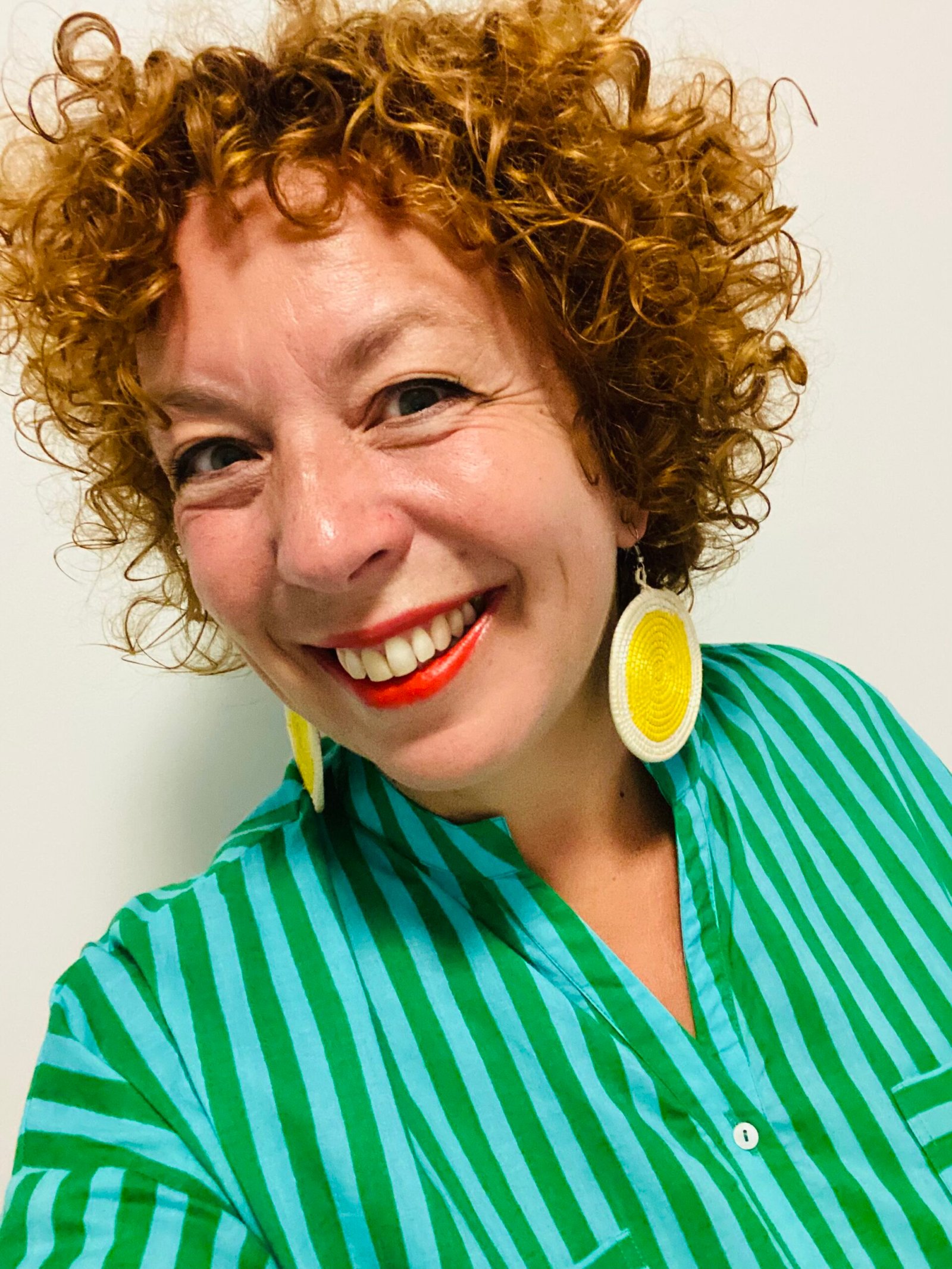
Insaf Ben Othmane Hamrouni, founder of Œcumene Spaces for Dignity (NGO) and Œcumene Studio (social enterprise), has devoted her work to exploring how human life is shaped, negotiated, and cared for within cities and territories. Working at the intersection of participatory urbanism, culture, and social justice, her practice unfolds through exhibitions, seminars, films, digital platforms, maps, reports, MOOCs, and place-based narratives. These works are rooted in long-term collaborations with communities across Tunisia (Tunis, Maamoura, Metbasta, Tataouine, Nefta), Egypt (Cairo, El Obour, Gamassa, New Damietta, Alexandria), Lebanon ( Tyre), Uganda (Mpeji), Jordan (Madab), Morocco, Ireland (Ballinrobe) , Palestine, Burundi, and Saudi Arabia( Khoubar). Space is approached not as an object to design, but as a shared condition to be understood, repaired, and re-imagined collectively.
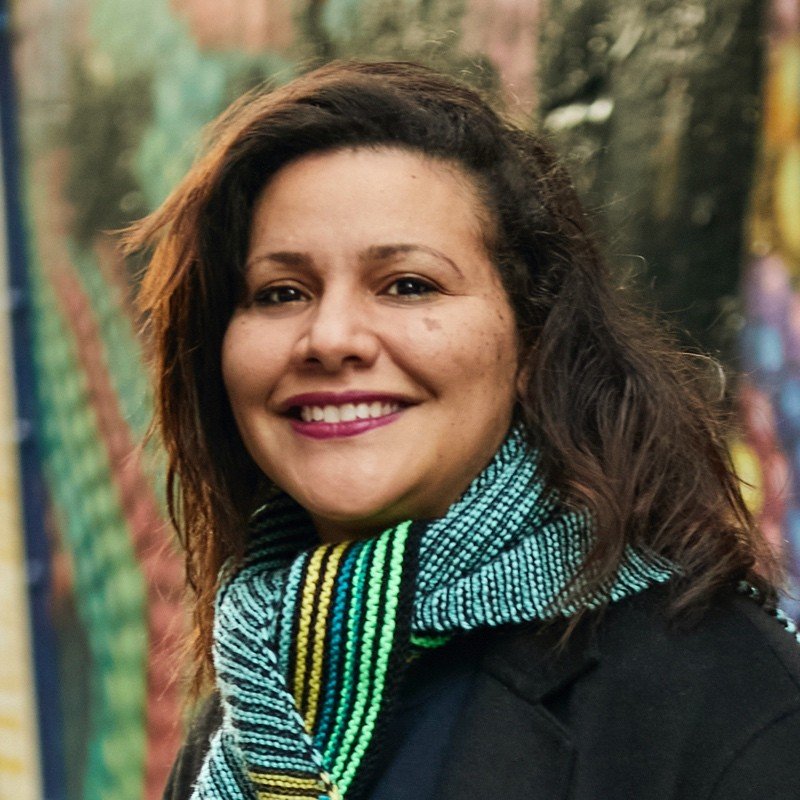
Over the years, Joke Quintens has developed numerous initiatives through Wetopia that place “the power of place” at the heart of her regenerative development work. In each local community project, the unique potential of place is the starting point. This has already led to a rich array of publications in many forms: websites, printed books, exhibitions, reports, films, podcasts, research documents, photo series, and more. These stories have emerged from diverse places and communities in Cape Town, Brussels, Molenbeek, Marseille, Oostende, Tunis, Nairobi, Rotterdam, Antwerp, Napoli, Genk, etc.
A new project.
Now, the time has come to bring this work together and to weave it into a shared collection – our Published Power of Place bookshelf – and new collective fieldwork to take the next steps: creating a space for publication and public engagement, inviting others to build upon and share this growing body of work.
We build the bridge between you and the community you serve and we make it last. So if this talks to you, let’s get in touch.
We work through co-production. Communities, practitioners, and partners are not sources ; they are authors. Knowledge is shaped together, not extracted.
Every project begins with the specificity of place: its people, histories, narratives, ecologies, and tensions. Place is not a backdrop, but a living system and a strategic asset.
Publishing is a selective and responsible act. Through careful editing, curation, and attribution, we ensure dignity, accuracy, and respect in how stories are told and shared.
We privilege depth over speed. Our work grows from long-term collaborations, trust-building, and sustained presence across territories.
We transform lived experience into tangible works ; books, archives, and publications that endure beyond projects, funding cycles, and moments.
We believe knowledge must circulate. Our publications are designed to be accessible, multilingual, and present in libraries, bookshops, institutions, and public culture.
‘’Redaction ■■■■■■ is an intervention into the textual surface of the present, ■■■ one which makes the contours and logics of this surface more legible. Its aesthetics of forgery and détournement, of re-appropriation and re-performance, produce a uniquely direct and ■■■■■■ effect ’’ Andy Zuliani
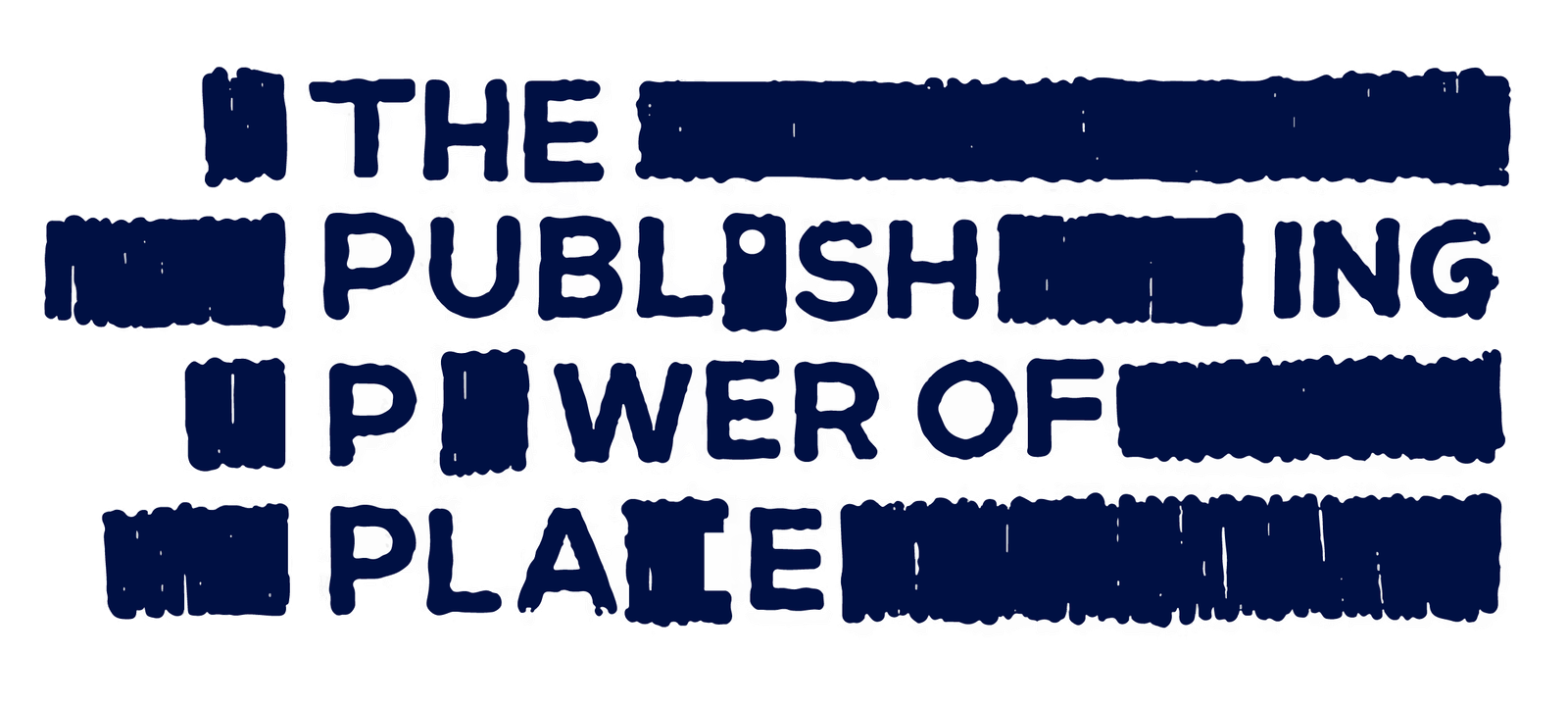
The Publishing Power of Place logo draws on the act of redaction as both a graphic language and a spatial metaphor. The blacked-out letters reference redaction as an intentional intervention on the page—an act that conceals while simultaneously drawing attention, shaping meaning through absence as much as presence. Rendered in a marker-like style, the logo suggests collective authorship and co-redaction, evoking community input, informality, and an ongoing process rather than a fixed, finished identity. This approach parallels the co-design of space and place, where existing conditions are intervened upon, rearranged, and reinterpreted rather than erased, allowing new possibilities to emerge over time. Like spatial practice, the logo embraces incompleteness and adaptability, positioning publishing as a living process, something continually revised, built upon, and shaped by those who engage with it. Omar Wanas